Today, career strategy is not about chasing what’s next. It’s about being ready for what’s next.
In a time where layoffs continue to surface across industries, organizational restructuring is complex (and constant), and AI is reshaping how work gets done, uncertainty is dominating the landscape.
And while we can’t control all of that, we can control something just as important: How prepared we are to respond to it.
Here are three ways to strengthen your readiness, even when you don’t know what’s coming next.
1. Keep Your Resume and LinkedIn Profile Up-To-Date
Your resume and LinkedIn profile are more than documents. They are key branding tools. Yet many people only revisit them when they’re forced to.
When uncertainty hits, there’s rarely space to reflect, refine, and articulate our value with clarity. Instead, people find themselves rushing to remember what they’ve accomplished and how to frame it.
A better approach is maintenance over hurried updates.
Ask yourself:
- What have I accomplished that isn’t reflected here yet?
- Is my impact clearly articulated, or just listed as tasks?
- Does my LinkedIn profile tell a clear and consistent story about my direction and value?
- Do my resume and LinkedIn profile reflect a consistent narrative?
Keeping these tools current is a great strategy to get ready and to lessen anxiety during a time of uncertainty and great change.
2. Attend a Networking Event—In Person
Networking continues to be one of the most powerful career strategies available, yet it’s often underestimated or postponed.
In-person networking, in particular, has an energy that can’t be replicated virtually: unscripted moments, shared laughter, non-verbal communication cues, and a handshake that speaks volumes in terms of a first impression.
In the AI era, human interactions matter more than ever.
And remember, networking is not only about job seeking. It’s about relationship building long before you need anything from it.
3. Track Your Wins and “Kudos”
Most of my clients underestimate the importance of documenting their impact until they’re asked to articulate it under pressure. Scrambling to remember achievements for an annual performance review is a perfect example.
Accomplishments don’t become valuable only when you need a resume update or interview story. They are valuable now—and they need to be tracked, and promoted.
Start tracking:
- Wins and outcomes from your work
- Positive feedback from managers, peers, or clients
- Projects you’ve contributed to and the results they produced
- Moments where your work made a measurable difference
This practice does two things. First, it builds clarity around your value and your impact. Second, it strengthens your confidence (and ease) in communicating that value.
Readiness Is a KEY Career Strategy
We often think of career development as something linear: steps, promotions, titles, progression. Today, that proverbial ladder has been replaced by the lattice, and that means the path we traverse is anything but linear. And it’s here to stay.
We can’t control layoffs, market shifts, or the speed of technological change. We can’t predict every organizational decision or economic shift.
But we can decide how prepared we are to navigate them.
The more prepared you are, the more options you create for yourself when change inevitably comes. And, from my direct experience, the more calmly and thoughtfully you are able to set goals, promote your accomplishments with confidence, and navigate change.

Imagine getting on the elevator in the lobby where you work. To your surprise, the CEO steps into the elevator as the doors begin to close. What do you do? Put your head down? Throw on your invisibility cloak? Or do something even more crazy like… speak?
Sometimes we create an opportunity for career growth, like successfully getting an interview for a job. Other times an opportunity might present itself unexpectedly, like someone important to our career stepping onto an elevator as we ride to the 8th floor together.
Either way, being prepared is key. One great way to do just that is to get your “elevator pitch” ready so you have something to share that is concise and sparks interest in your background. Here are three easy ways to get started (and some real client examples):
- Write down what you do. Write 5-10 sentences describing what you do. Don’t get hung up on fancy edits. Rather, simply write down what you do and capture what comes to mind. For example, if you are a recruiter, you might write: “I scan resumes to find great people to fill vacant positions within my organization so that we have the best talent compared to our competitors” or “I present qualified candidates to hiring managers after identifying candidates from sourcing methods such as top-rated job boards, employee referrals and looking through our internal applicant tracking system.” You get the idea – keep going!
- Bring your pitch to life. Look for descriptive words and action words in your sentences. In particular, look for the words that sound like you. Your action words create a visual and tell your story. Using words that sound like you, instead of fancy words or industry jargon, will make you sound more authentic. Let’s bring the recruiter’s pitch above to life and look at the words more closely. “Scan” is an action word that one can visualize, but it’s not very interesting. Neither is “to fill vacant positions within my organization.” Consider this instead: “I identify and recruit top talent using a diversified approach to sourcing applicants, which includes collaborating with hiring managers and employees on finding and retaining the best talent and giving my organization the competitive advantage.” This pitch uses powerful words that create a visual (e.g. identifying, diversified, sourcing, collaborating). It also captures the fact that the recruiter works with employees too as a source for finding great candidates. Lastly, it touches on bringing a diversified approach to recruiting, and ends with the competitive advantage the organization has due to hiring the best.
- Practice your pitch. Once you have a pitch, or even if you have a few you like, immediately being practicing. Once you start practicing and trying out your pitches you will quickly discover what feels comfortable, where you might need to make some tweaks, and how to strengthen the delivery of your pitch. Try practicing your pitch initially with one or several people you trust. While it might feel awkward at first, your trusted audience will give you honest feedback on length, clarity, and whether or not it depicts you well.
A pitch is a great go-to tool for networking, interviewing, and when finding yourself on an actual elevator with 30 seconds to impress. Create your winning pitch today, and check out some sample pitches below to help you get started!
"I lead HR with a focus on driving business transformation to meet our company’s evolving goals so we’re not just keeping up with change, we’re leading it." - Chief Human Resources Officer
"I bridge technology and people strategy. I specialize in implementing and optimizing HR tech systems that streamline processes, elevate data insights, and empower HR teams to make smarter, faster decisions.” - HR Technology Manager
“I specialize in designing performance-based plans, pay equity reviews, and total rewards frameworks that align leadership incentives with long-term business goals." - Director, Total Rewards
“I’m not sure my resume and LinkedIn profile represent my experience.”
“I want to give a more confident answer when someone asks me what I do.”
“I don’t know what my strengths are.”
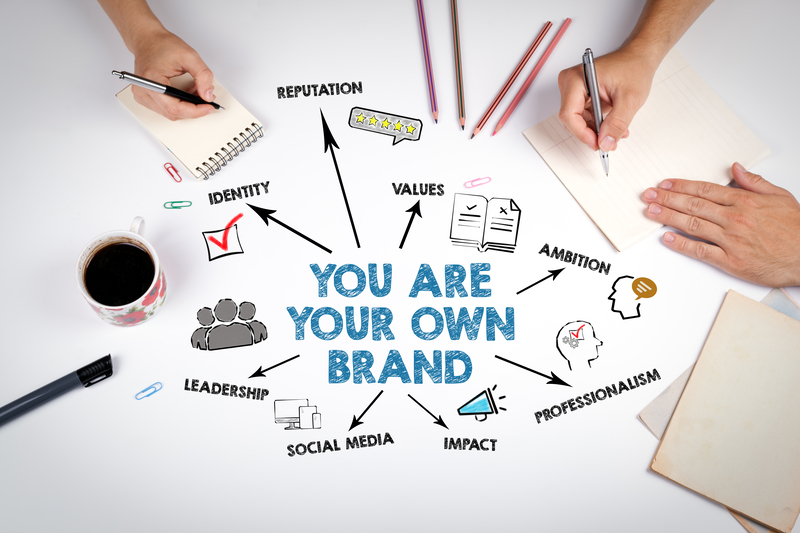
I have heard these comments from countless clients over the years. The underlying question here: “Who am I (and can you help me figure that out)?” And it all boils down to establishing a personal brand.
I had no idea how important a personal brand could be until I embarked on my own career change, from HR to coaching. When I found myself stuck at this crossroad, I was forced to identify what I naturally did well and how to market my unique skill set. At the very heart of it, I had figure out who I was—and no one else was going to do that for me.
Your personal brand is an authentic reflection of who you are. And yet, people often struggle to understand and clarify what makes them unique (and amazing!). Here are three ways to jumpstart that discovery.
- Spend 15 minutes answering: “Tell me about yourself.” Perhaps not a crowd-pleaser, but it’s a good one. Take pen to paper or fingers to keyboard, whatever works for you, and set a timer. If you get stumped, keep going. Getting started is often the hardest part. Don’t worry whether your answer is two pages or five sentences. Just see what takes shape – and where you become stuck. Not only is it important to examine what you come up with, but this will be a telling exercise in how well you understand your personal brand.
- Write down five accomplishments. Are they recent? Can you take ownership of them? Do these projects fill you with pride? Remember that personal branding is all about what you uniquely offer, and taking ownership of that message. If you are at a loss, then tracking your accomplishments will be a great career management tactic going forward. If you do come up with five accomplishments but think, “Anyone could do what I did,” then you may not be giving yourself enough credit. Identifying your accomplishments has a ripple effect. You will become much clearer about your strengths, skill sets, and how you tackle goals and solve problems. Then, the next time you’re job searching, you will be able to recall them more easily for an interviewer. These are crucial components of your personal brand development.
- Enlist the help of others. Pick 2-4 people who can help you flesh out your personal brand. They can be co-workers, friends, colleagues in your professional network, or some combination of these. Strive for a mix of those who know you really well and people with whom you interact minimally. Ask each to describe you in five adjectives. If they have more, great! Your job is to listen and take notes.Once you have this data, look for running themes, overlapping words, or something that stands out – good or bad. If you need more information, then ask! For example, if a distant colleague calls you “formal” but a co-worker describes you as “warm” or “approachable” – get more data. Maybe your distaste for networking and love for helping others are both on display, and that’s affecting others’ perceptions of you. Steer these impressions, and correct any misperceptions if needed. It’s your brand, and it’s your job to shape it.
In today’s climate of constant change, career success starts with knowing – and leveraging – your personal brand. Dig into your strengths, determine what energizes you. You might need others to weigh in, and that’s okay. Once honed and sharpened, your personal brand will prove to be one of the most useful tools in your professional toolbox.
Informational interviews are a key tactic to a successful job search and career transition. They:
- Provide a wealth of information about what it is like to work for a potential employer.
- Are direct paths to the hidden job market.
- Help us expand our networks and improve our networking skills.
How we conduct the informational interview—from the questions we ask, to how actively we listen, to the action we take as a result—is important for making the most of this opportunity.
Instead of: Hoping you do well or deciding to wing your informational interview....
Try: Preparing, using active listening skills, and making decisive next steps.
- Start with someone who is easy to talk to. To practice informational interviewing, identify someone you can easily talk to. This could be a neighbor who works at a company you have always been curious about. It could be a parent on your daughter’s softball team who works in Human Resources. It could be a leader in your community who works in Marketing at a nonprofit. Choosing someone you feel comfortable speaking with also increases the chances they will say “yes” to your request for an informational interview.
- Ask for the interview and provide the reason. A brief email can lock in your interview by making it easy for them to say yes: “Hi David, it was great seeing you at the BBQ! It was so nice that so many neighbors could make it. I would love to ask you more about your career and your role in marketing at (x organization). I am searching for a new position (or, I am making a career transition) and I am really curious about your organization and what you do there as I think about my next career move. Are you available on Tuesday at 12PM?”
- Prepare thoughtful questions. Open-ended questions are a great way to gather important information when conducting your interview. Below are three questions that can help you learn more about your interviewee and the role they play at their organization, and provide you with feedback or advice from the individual:
1. Tell me about what you do in your role as (x)?
2. What is the best part about working for your organization?
3. What feedback or advice do you have for me on how to apply to your organization if I see an opening? - Listen (actively) to the information you are collecting: Your active listening skills will provide you with invaluable data as you listen without interrupting and demonstrate your ability to reflect back what you heard as you conduct your interview. Actively listening to the information being shared also enables you to listen for cues so you delve into an answer further. The best part of active listening is that your interviewee feels heard – and valued. For example, “That is great to hear you feel so aligned with your company’s values and that you have an employee referral program! I am also really excited to hear that your organization does so much community work and has a focus on work/life balance for employees, which are things I am looking for in a potential employer.”
- Take ACTION. Taking action after conducting a successful informational interview is twofold. The first part is formulating a decisive next step with your interviewee. For example: “Could I send you my resume and cover letter to pass along through your employee referral program?” Part two is ENSURING your interviewee knows HOW they helped. For example: “David, I really appreciate your time. I now have a really great understanding of your company culture and what you love about (x organization). The information you provided is very valuable as I look for my next opportunity. Thank you for the offer to send my resume and cover letter through your employee referral system when I see a job opening I am interested in.” Providing this key feedback to your interviewee allows them to feel as good as you do about how you (both) did.
Informational interviews help us make important career decisions with greater clarity, especially when we are job searching or want to move our careers in an entirely different direction. Preparing well for an informational interview, employing active listening skills, and sharing feedback with your interviewee on how they helped are key to taking a decisive next step, which just might be identifying who you will interview – next!
Whether you know it or not, YOU are a brand, and your brand is out there. It is found in what you have written and shared about yourself, from your resume, to your LinkedIn profile, to what you post on your social media platforms.
Learning how to build and communicate your brand allows you to drive your career with greater confidence and enjoy greater professional and personal success.
If you are having trouble shaping your brand and getting clear on how others are receiving it, asking people for help is a great way to start.
Instead of: Treating your resume and LinkedIn profile like a career laundry list....
Try: Infusing both with your personal brand and asking other people for input.
- Look at your resume and LinkedIn profile with fresh eyes. Take 10 minutes to read your resume and LinkedIn profile. How confident are you about these go-to marketing materials? Do they really sound like you and reflect who you are professionally? However you feel (e.g. deflated, assured, or wondering just who IS this person??) know that it is tough writing about your unique set of skills and experiences, especially if it’s been years since you have revisited your resume. Reading what you wrote about yourself – however long ago – is not an easy task but is essential to understanding what your resume and LinkedIn profile are saying about your brand, and what action you need to take.
- Determine what stood out. What jumped out to you after you read these through? For example, your resume might need updating since your current position isn’t listed, or you noticed that you are using more cliché buzzwords than keywords to accurately portray your skills. Or, maybe your resume is missing key accomplishments. Your LinkedIn profile might be incomplete, or, you have concluded you need to figure out how to write a winning headline. You now have assessed both how you feel about your portrayal of your career history and what needs work.
- Collect information on how others see you. This step is NOT about asking: “Can you critique my resume and LinkedIn profile?” This can result in the gathering of large amounts of information from varying viewpoints, and potentially make things even more confusing.
Instead, do this: Identify three people you trust and ask this question: “What do you take away when you read my resume and my LinkedIn profile?” Let these trusted individuals provide feedback based on this open-ended question. Take notes as you listen, and determine if it’s mismatching or is in line with what you have assessed about your brand. Gathering other people’s feedback about your LinkedIn profile and resume is great intel, since it arms us with words we can use to better describe ourselves, and others might remember something you accomplished or a skill you have that you have omitted that you can now include.
- Take action. Now is the time for action. For example, you might ask one of these same people to write a recommendation for your LinkedIn profile. You might have more words that accurately represent your brand since you have taken notes from listening to what trusted individuals have shared about you. For example, instead of using words like “hardworking” or “dedicated” or “experienced” you might now be armed with new words that are a much better fit – and represent your brand – like “proficient” or “resourceful” or “entrepreneurial.” You might have been reminded of an accomplishment that is not on your resume.
Your resume and LinkedIn profile are always a work in progress – as is your brand. Whether you are job hunting or happy working for your wonderful employer, it’s always important to understand how you are representing yourself. Getting clear on how others are receiving your brand by asking for help is a great tactic to ensuring your go-to marketing materials sound like you.
If you have ever thought “I would love to make a big career move!” you are not alone. What often comes next, however, is: “I could never do it, though.”
But….what if you did?
Taking a big career leap (BCL) is not the same thing as other professional goals such as aiming to meet your annual performance metrics, or challenging yourself to go to more networking events, or, give more regular feedback to your team members.
Taking a big leap is life changing. It can be daunting. You might not know where to start. You might be unsure if you have the resources. It might not be the right time in your life.
But with exploring and moving it forward bit by bit – it just MIGHT be possible.
Instead of: Shelving your BCL because the timing is wrong, you will fail, or the best one: “What will people think!?” ....
Try: Exploring your BCL – and then decide if it can be done.
- Name it. Write it down. Say it out loud. Give your BCL room to stay. To take up space. Not shooing it away mentally is going to help you keep your dream present and make you more comfortable with the idea. AND keep that exciting energy – the hope of possibility – alive with it.
- Deliberately explore it. I had a coaching client who hired me to help with making a BCL, which, in her case, meant leaving corporate life to start her own business. We spent our initial sessions exploring: What services would she be offering? How would she get her first client? What would she name her company? What would her pitch be to potential clients? What was her timeline? Staying in this deliberate exploration phase brought to life not only what was possible, but what she had already been imagining.
- Identify what you have learned. This step is important. For my client, a key takeaway was that she didn’t have some of the information she would need to make her BCL. For example, she needed to ensure that she would not be required to sign a non-compete agreement if she left her company, which might inhibit her from getting the client she had identified in the exploration phase.
- Challenge yourself. After taking the time to stay with your BCL, keeping it present and exploring the possibility of it, it’s time to move forward. Take one action. ONE step in the direction of that leap. For my client, one next step was to write the home page of her website and find someone to design her logo. Whatever the next step is, no matter how small, take it. The important thing is to DO IT.
- You get to decide. You have cleared a path and can see your BCL very well be may be possible. And not as scary or as challenging as you originally thought. It takes time, clarity, and a lot of mental strength to really go for that next big move with your career. The good news is always this: your career is yours, and no one else’s. It’s for you to forge, be creative with, and take it to new heights – if you want to and when you’re ready. You know better than anyone else if the leap is right, or, right for you right now.
We can build our professional careers in a series of small moves or in one big leap, like my client who started her own business. If you are considering a big leap – go for it. Don’t shrink from it. It may be much more possible than you ever thought.
And my client? Well, she started her new business so quickly after we started working together even I was surprised! But, it told me how ready she was to take that BCL all along.